Breast implants are often discussed through the lens of aesthetics.
Much less attention is given to physiology.
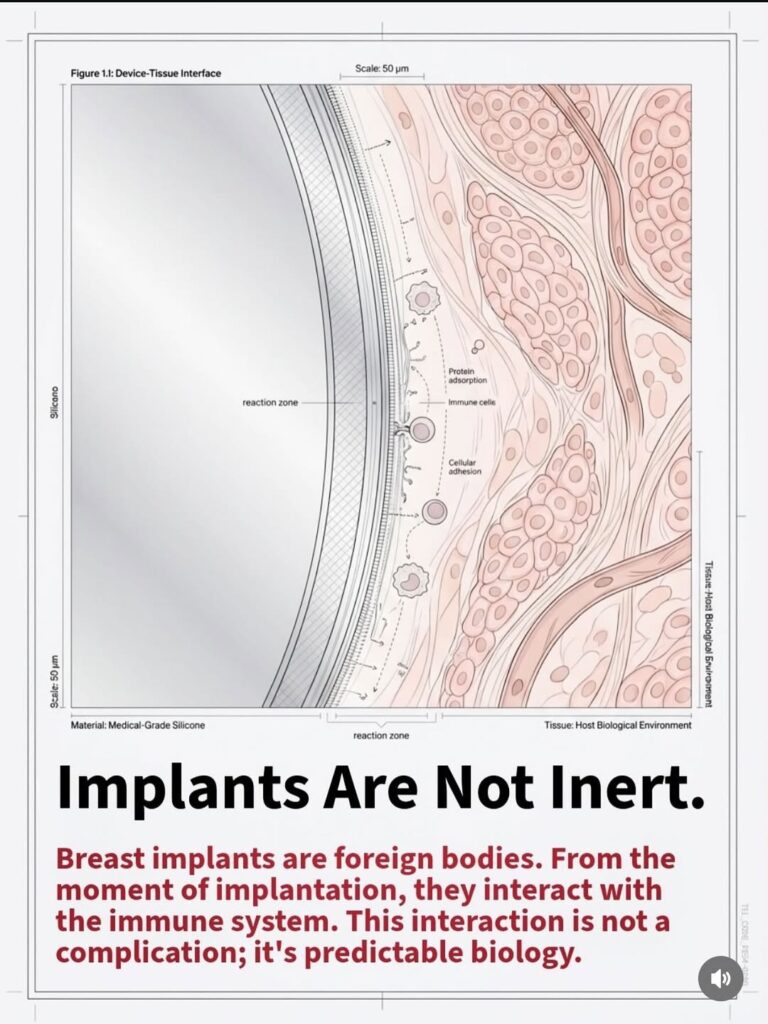
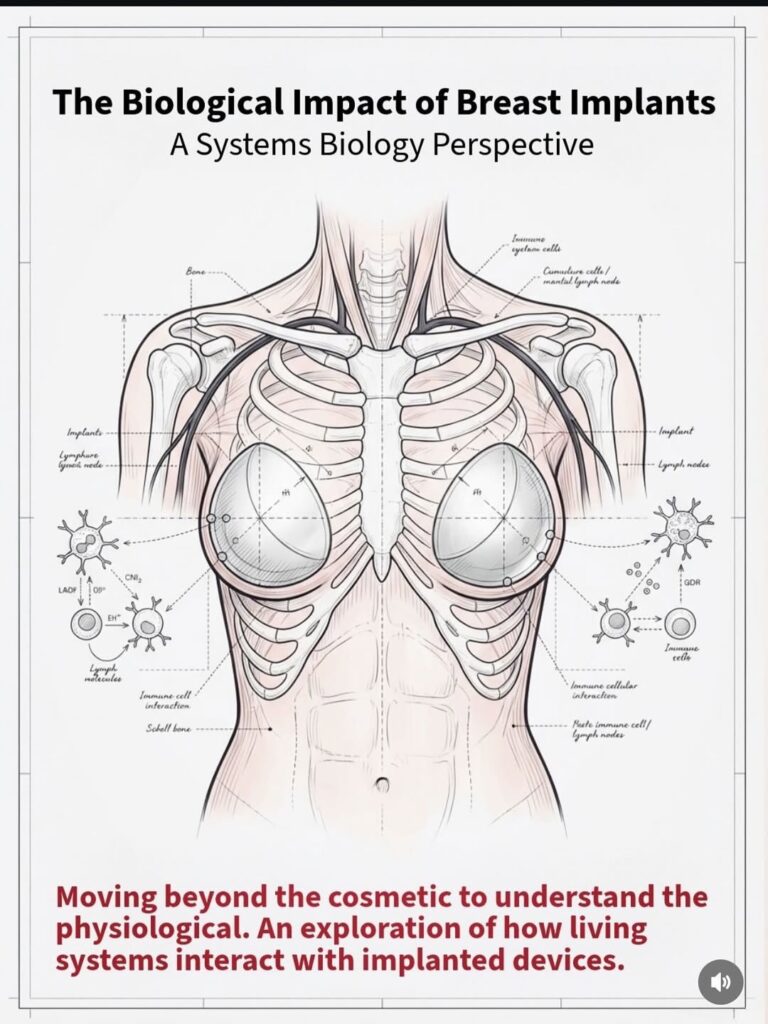
From a biological standpoint, breast implants are not inert.
They are implanted medical devices that interact with the body’s immune system from the moment they are placed.
This article breaks down what current science shows about:
- The foreign body response
- Capsule formation
- Long-term immune signaling
- Recognized medical risks
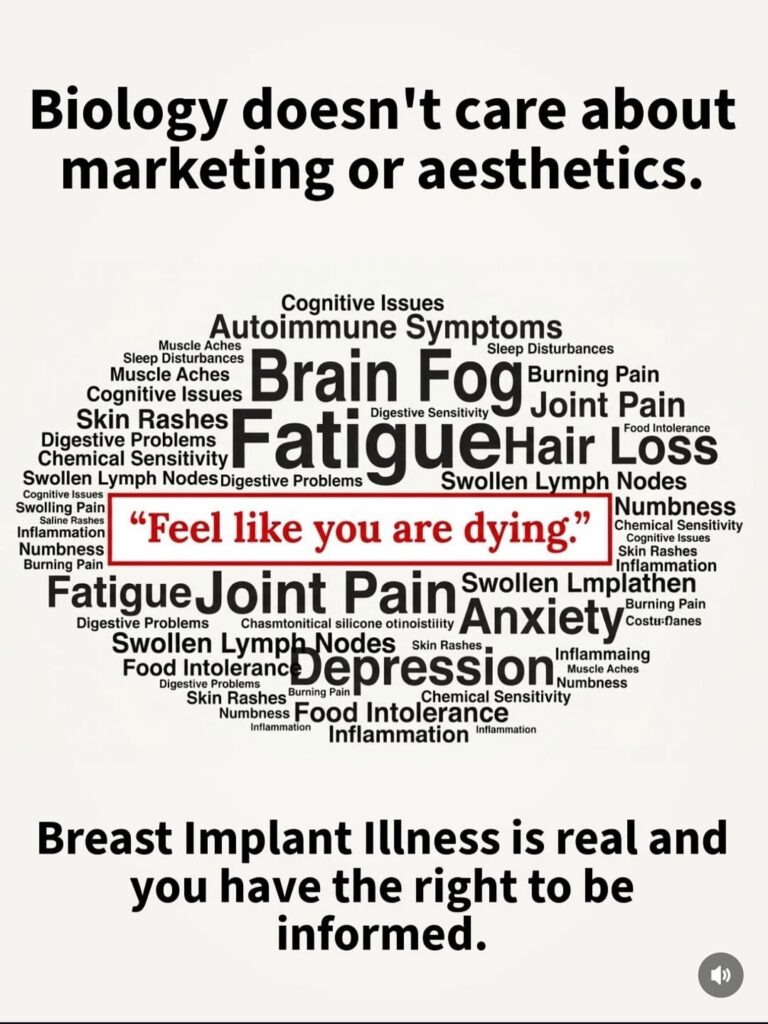
- The ongoing conversation around breast implant illness
This is not about fear.
This is about informed decision-making grounded in biology.
Breast Implants and the Immune System: The Foreign Body Response
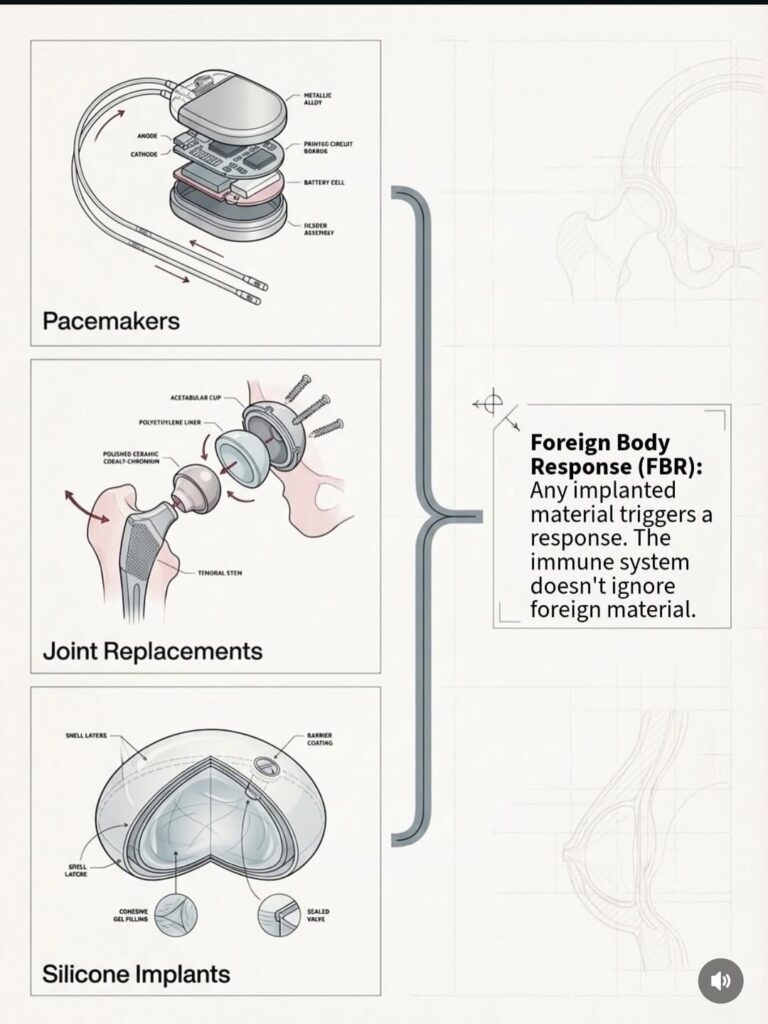
When any material is implanted into the body, it triggers what is known as a foreign body response (FBR).
This is a well-documented process in immunology.
What happens step-by-step:
- Protein adsorption occurs on the implant surface within minutes
- Immune cells (macrophages) recognize the material as foreign
- Inflammatory signaling begins
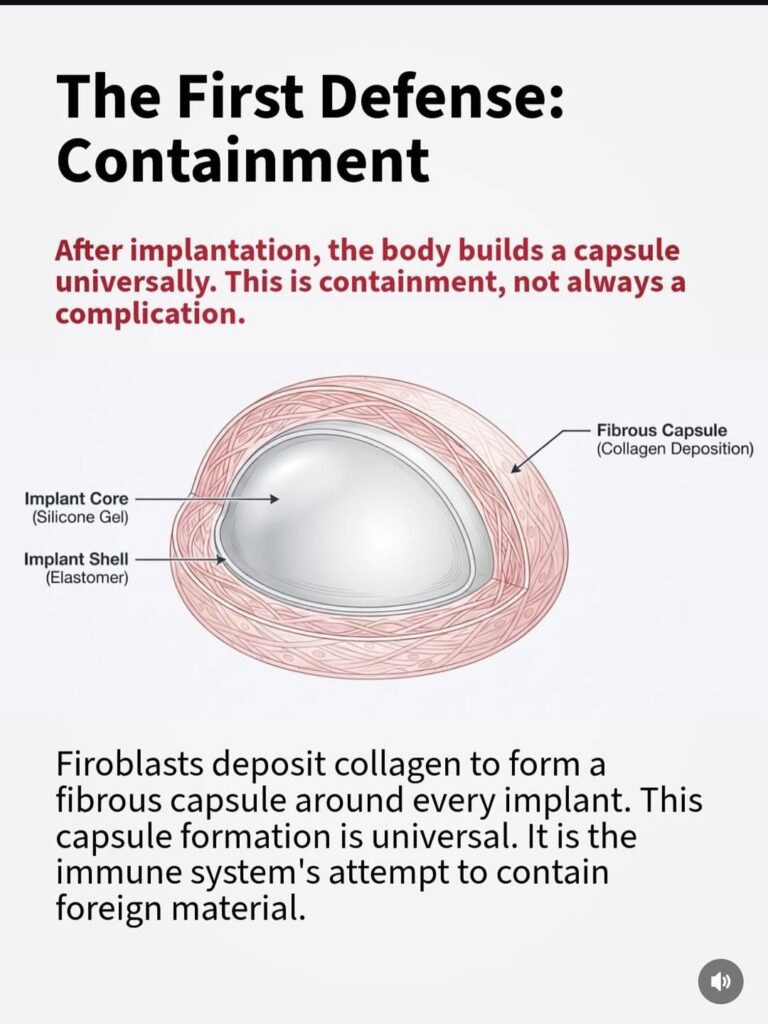
- Fibroblasts deposit collagen, forming a capsule
This process occurs with:
- Pacemakers
- Joint replacements
- Breast implants
This is not a complication – It is predictable biology.
Capsule Formation: Containment, Not Always a Problem
After implantation, the body forms a fibrous capsule around the implant.
This is:
- A protective mechanism
- An attempt to isolate foreign material
In many individuals, this capsule remains soft and stable.
However, in some cases it can become:
- Thickened
- Contracted (capsular contracture)
- Painful
Capsule formation is universal.
Complications are variable.
Are Breast Implants Truly “Sealed”? Understanding Silicone Permeability
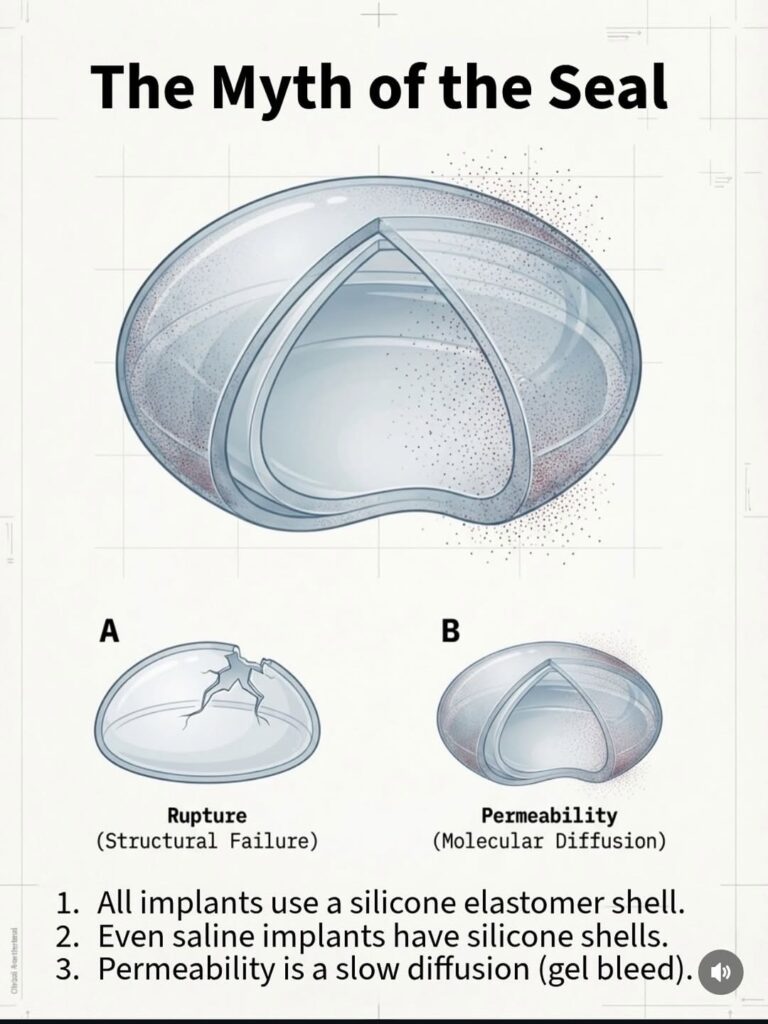
Breast implants are made of silicone elastomer shells.
Scientifically:
- These shells are semi-permeable polymers
- They allow small molecules to diffuse across the membrane
Important distinction:
- Rupture = structural break
- Permeability (gel bleed) = passive diffusion over time
Both are documented in scientific literature.
They are not the same mechanism. Permeability itself is not disputed in material science.
Chronic Immune Activation: What Does the Research Suggest?
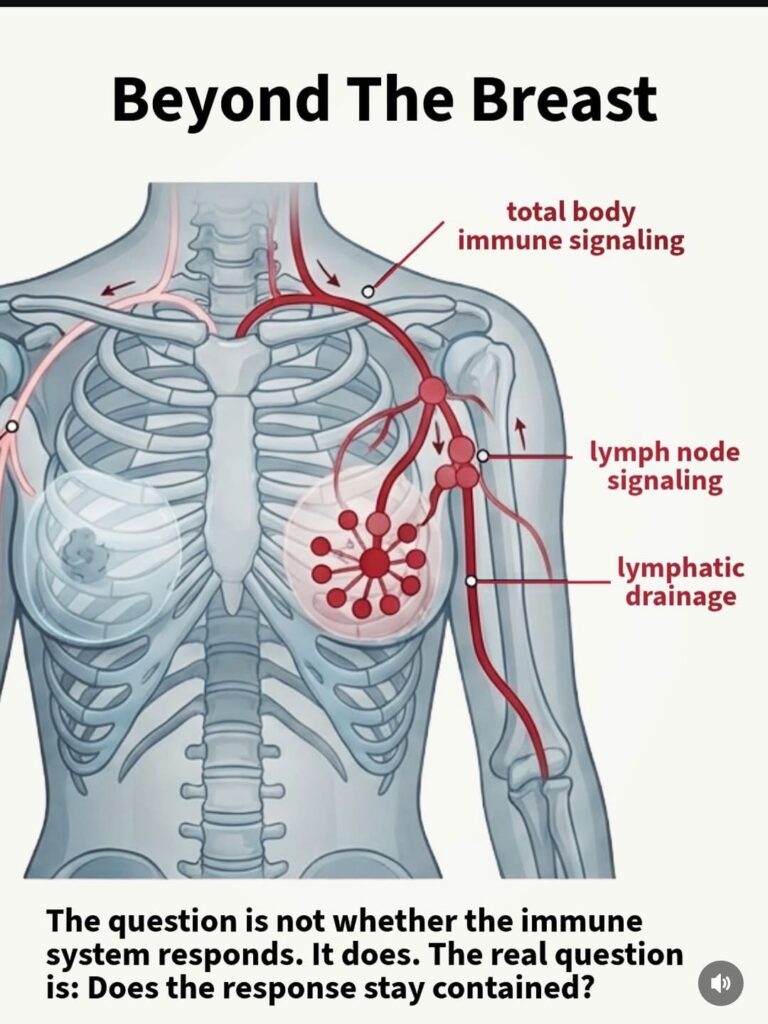
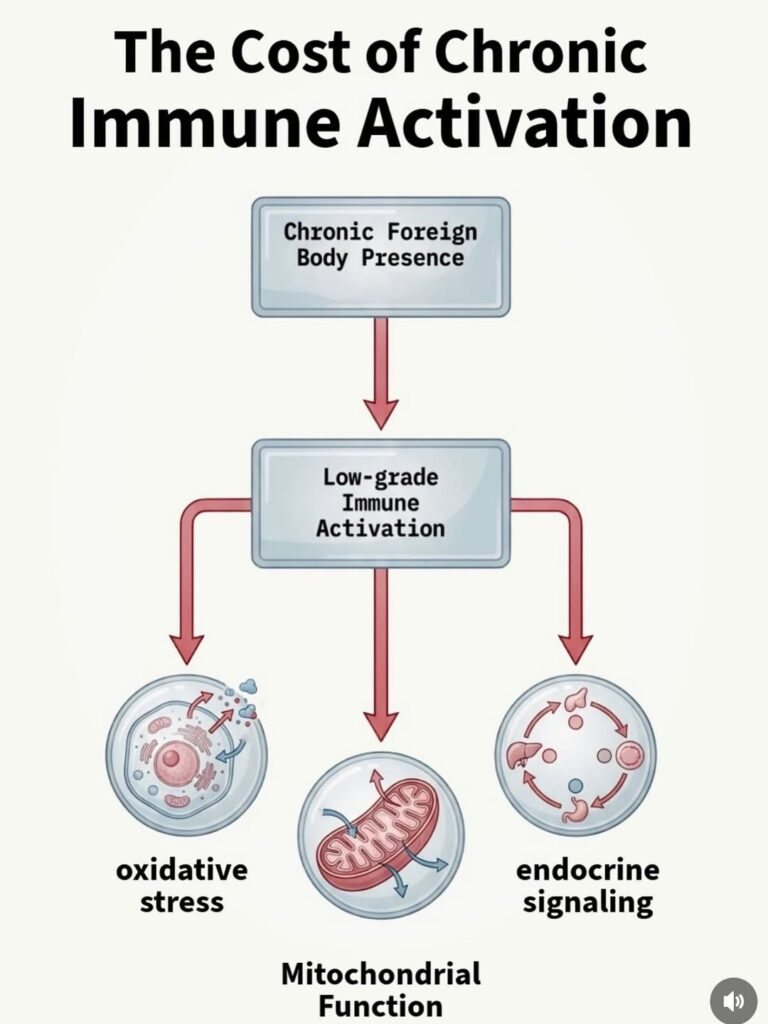
A persistent foreign body can lead to ongoing low-grade immune activation.
From a systems biology perspective, this may contribute to:
- Oxidative stress
- Mitochondrial dysfunction
- Altered immune signaling
- Hormonal shifts
Many plastic surgeon wills say there’s no universal causal proof that breast implants directly cause systemic disease in all patients, but what I can say is that there are hundreds of thousands, and truly millions of Facebook groups and support groups filled with women with story after story of BII (breast-implant illness), and I was one of them.
And these associations and patient-reported patterns continue to be studied.
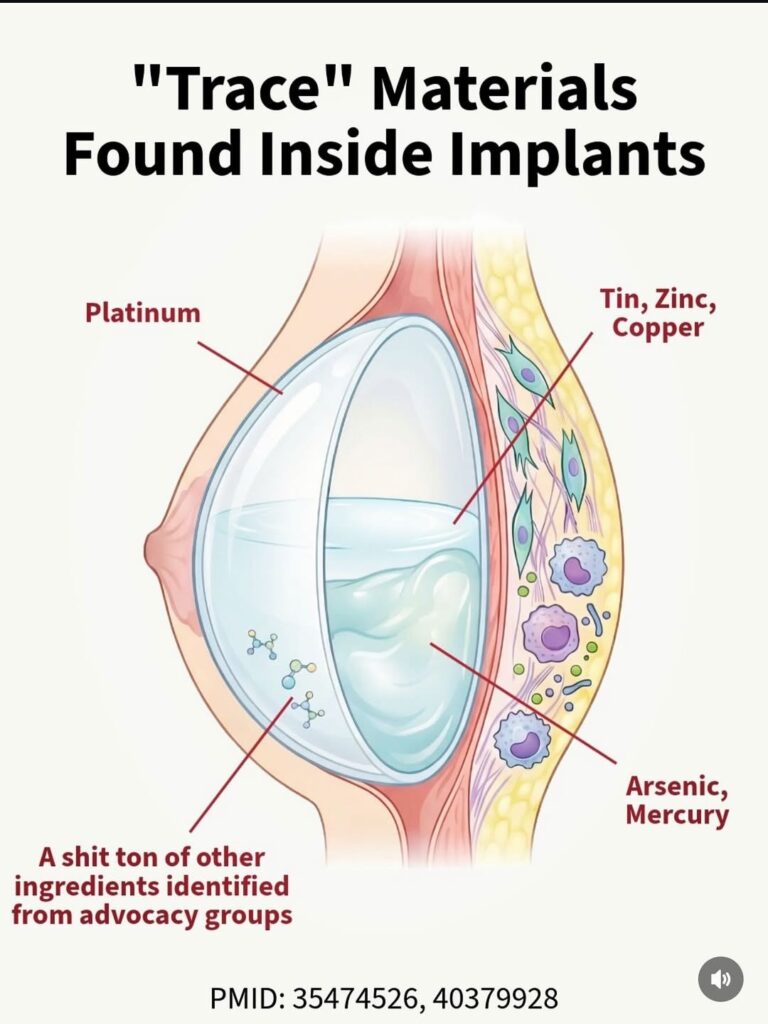
Beyond the silicone gel itself, breast implants are not chemically simple devices. They are manufactured using a silicone elastomer shell that involves catalysts, stabilizers, and processing agents. One of the most commonly discussed is platinum, which is used as a catalyst in the curing process of silicone. Trace amounts of platinum have been detected in implant materials and surrounding tissue in some studies.
Research has also identified low levels of other elements such as tin, zinc, and silicon compounds, depending on manufacturing processes and analytical methods used. Claims about toxic heavy metals like arsenic or mercury are also often reported.
Silicone implants can undergo what’s referred to as “gel bleed,” where small molecular components may diffuse through the shell over time. The biological impact of that low-level exposure varies by individual and very concerning.
The presence of these elements raise valid questions about long-term exposure, especially in a system already mounting a foreign body response.
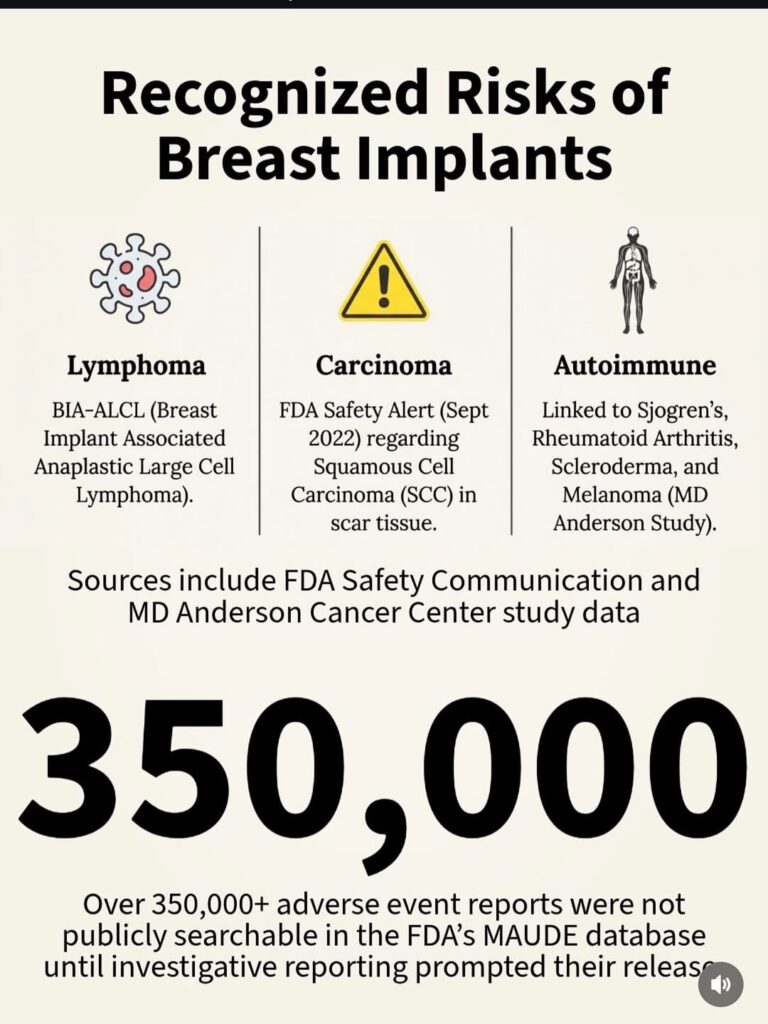
1. Breast Implant-Associated Anaplastic Large Cell Lymphoma
- A rare type of lymphoma
- Most commonly associated with textured implants
- Recognized by global regulatory agencies
2. Squamous Cell Carcinoma (SCC) in Capsule Tissue
- Reported in U.S. Food and Drug Administration safety communication (2022)
- Extremely rare, but documented
3. Autoimmune Associations
Some observational studies (including data from MD Anderson Cancer Center) suggest higher reported rates of:
- Sjögren’s syndrome
- Rheumatoid arthritis
- Scleroderma
What Is Breast Implant Illness (BII)?
Breast Implant Illness is not currently a formal diagnosis in the ICD classification system.
However, many patients report similar symptom clusters:
- Fatigue
- Brain fog
- Joint pain
- Skin rashes
- Lymphatic swelling
- Digestive issues
The FDA MAUDE Database contains hundreds of thousands of adverse event reports related to breast implants.
Why This Conversation Matters
As someone who became sick and permanently deformed, I believe it is imperative and my life’s mission to be #TheTruthSpreader and spread #ImplantTruth
Medicine evolves through:
- Observation
- Pattern recognition
- Investigation
When consistent symptom patterns are reported across large populations, they deserve attention — even when mechanisms are not yet fully understood.
My Perspective: Pro-Choice, Pro-Physiology
This conversation is often framed as:
- Pro implants vs anti implants
That misses the point.
The real position is:
Pro-informed consent.
Pro-physiology.
Your immune system does not respond to aesthetics.
It responds to biology.
Breast implants are medical devices placed inside a living system.
That system responds.
For some, that response remains quiet and contained.
For others, it may not.
Both realities can exist at the same time.
The goal is not fear.
The goal is clarity, transparency, and informed decisions.